
Transform your backyard with low-maintenance perennials that attract pollinators and enhance soil health. Embrace container gardening for versatility, and create vertical garden walls to maximize space. Incorporate decorative garden paths using materials like stone and wood for charm. Set up raised garden beds for easy planting and establish a compost area for sustainability. Add aromatic plants to infuse your space with delightful fragrances. With these ideas, your garden can flourish beautifully while offering a tranquil retreat. Explore even more creative concepts ahead.
Choose Low-Maintenance Perennials

When you’re planning your backyard garden, opting for low-maintenance perennials can save you time and effort while still providing vibrant blooms and greenery.
Incorporating native plants guarantees drought tolerance and enhances soil health, creating a thriving ecosystem. Look for varieties offering seasonal blooms, which attract pollinators, adding life to your garden.
These perennials often showcase colorful foliage and texture variations, enriching your landscape’s aesthetics. Additionally, many are known for their pest resistance, reducing the need for chemical interventions.
Consider options suited for low light if you have shaded areas, promoting garden diversity.
Embrace Container Gardening

Revealing the potential of your backyard space is easy with container gardening, a versatile solution that maximizes your gardening options regardless of soil quality or available ground space.
You can choose from various container styles, such as ceramic pots, wooden boxes, or hanging baskets, each adding unique charm.
For ideal aesthetic and ecological balance, consider plant combinations that thrive together; for instance, pairing aromatic herbs with vibrant flowers can create a sensory delight while enhancing both functionality and beauty.
Guarantee proper drainage and select quality potting mix to support healthy growth.
By thoughtfully arranging containers, you can transform your outdoor area into a lush oasis, making it a peaceful retreat right outside your door.
Embrace this creative gardening technique today!
Create Vertical Garden Walls

Vertical garden walls can transform your backyard into a stunning green space while maximizing limited areas.
By using wall mounted planters, you can create a layered effect that adds depth and sophistication. Start by selecting durable planters that suit your wall’s size and weight capacity.
Arrange them in staggered rows or a grid pattern to maintain visual interest. Consider using living wall structures for a more integrated look, as they provide a framework that supports various plant types.
Be mindful of the plants’ sunlight and watering needs to guarantee they thrive. This innovative approach not only enhances your outdoor aesthetics but also promotes biodiversity, creating a serene retreat right outside your door.
You’ll love the personal connection it fosters with nature.
Add Decorative Garden Paths

Adding decorative garden paths can dramatically enhance the overall appeal of your backyard, guiding visitors through your green oasis. You can employ natural stone, creating an elegant and sturdy foundation.
Decorative gravel offers a more informal look, while stepping stones provide unique, eye-catching focal points. Mosaic tiles add color and artistic flair, inviting guests to explore.
For a rustic charm, consider wooden planks or brick pathways; they bring warmth and character. Incorporate pebble borders or garden edging to define your paths and maintain a tidy appearance.
Opt for winding routes that encourage leisurely strolls, and don’t forget illuminated pathways to enhance safety and ambiance during evening gatherings. Your garden will flourish with these thoughtful additions, inviting exploration and admiration.
Incorporate Raised Garden Beds

Creating inviting pathways can set the stage for another attractive feature in your garden: raised garden beds.
These beds not only enhance aesthetics but also boost soil health, allowing for improved drainage and root growth.
For your design layout, consider sustainable materials like recycled wood or stone. To maximize productivity, focus on smart planting strategies and select plants that thrive in your climate.
Implement efficient watering techniques, such as drip irrigation, to conserve water. Guarantee proper garden spacing to reduce competition among plants.
Seasonal crops can bring diversity, and companion planting offers natural pest management while enhancing growth.
Design a Herb Garden

A well-designed herb garden can serve as both an aesthetic focal point and a functional addition to your backyard. Start with thoughtful pot selection; choose containers that not only match your outdoor décor but also provide proper drainage.
Terra cotta pots are ideal for herbs like basil and rosemary, while wooden planters work well for those needing more moisture, such as mint. To maximize flavor and growth, consider herb pairings: plant chives alongside parsley for mutual benefits or grow oregano with thyme to create a synergistic environment.
Make sure to arrange your herbs in clusters based on sunlight needs, ensuring each plant thrives. With careful planning and love, your herb garden will flourish, delighting your senses throughout the growing season.
Use Repurposed Materials for Planters

Repurposing materials for planters not only enhances the sustainability of your garden but also adds unique character to your outdoor space.
You can use repurposed pallets to create vertical gardens, maximizing limited space. Vintage crates stand out as charming options for a rustic touch, while tin cans can be painted for vibrant, hanging displays.
For larger plants, wooden barrels offer a sturdy and stylish solution. Glass bottles can be transformed into quirky herb planters, and old shoes? They deliver a whimsical flair.
Bike frames add an artistic twist, while wooden boxes create multipurpose planting areas. Don’t forget metal buckets for an industrial vibe and fabric bags for their lightweight portability.
Each choice tells a story while nurturing your plants.
Introduce an Outdoor Water Feature

While an outdoor water feature can transform your backyard into a serene retreat, it also offers numerous benefits, such as attracting wildlife and creating a soothing soundscape.
Consider incorporating a water fountain to provide a delightful auditory ambiance or a koi pond filled with vibrant aquatic wildlife. A birdbath feature can invite feathered guests, enhancing the charm of your garden.
For a playful touch, think about an interactive splashpad that children will love. Adding a rock waterfall can create a stunning reflective surface, while pond plants enhance natural beauty.
You can also style these features with seasonal decor, ensuring your outdoor space remains vibrant and inviting throughout the year. Immerse yourself in tranquility with the perfect water feature!
Create a Wildlife-Friendly Habitat

Incorporating a water feature not only enhances your garden’s aesthetics but also lays the groundwork for a thriving wildlife-friendly habitat.
Start by integrating native plants that attract local fauna and create sustainable practices, like water conservation. Plant pollinator gardens that support bees and butterflies, while birdhouses provide essential shelter—don’t underestimate the birdhouses benefits!
Insect hotels can foster beneficial insects, enhancing biodiversity in your space. When you design wildlife corridors, you facilitate safe animal movement, promoting habitat restoration.
By choosing organic gardening methods, you guarantee a thriving environment that respects native habitats and nurtures the ecosystem.
Every detail, from your water feature to the plants you select, contributes to a vibrant, inviting space for local wildlife.
Install Garden Lighting

Transforming your garden into an enchanting evening retreat starts with proper lighting installation, as effective illumination not only enhances safety but also highlights its beauty.
Consider using string lights to create a soft, romantic ambiance; drape them across trees or fences for a whimsical feel.
Solar lanterns are another excellent option, providing eco-friendly illumination that charges during the day. Position them along pathways or hang them from hooks to guide guests and set the mood.
When selecting lights, make certain they’ve warm tones to evoke intimacy and charm.
Optimize your garden’s layout by clustering lights in focal areas, drawing attention to flowers and unique features.
With thoughtfully placed lighting, your garden will become a serene escape after sundown.
Use Colorful Garden Furniture

To elevate the design of your garden, colorful furniture serves as a vibrant focal point that adds personality and warmth.
Choosing vibrant tables in shades of blue, yellow, or red can create an inviting atmosphere for gatherings. Pair these tables with colorful cushions, guaranteeing comfort while enhancing your aesthetic.
Opt for weather-resistant materials like metal or treated wood to guarantee durability, while maintaining that lively look.
Position your colorful furniture strategically around your garden; near flower beds or under shady trees works wonderfully. This allows you to create cozy nooks that draw the eye and invite relaxation.
Plant a Butterfly Garden

Creating a butterfly garden not only attracts these beautiful creatures but also supports local ecosystems, enhancing your backyard’s biodiversity.
Start by incorporating native plants, as they provide the essential nectar and larval food sources that butterflies need. Choose flowering plants like milkweed, coneflowers, and asters to guarantee prolonged blooming throughout the season.
Design your space with sunny spots and sheltered areas, as butterflies thrive in warm environments.
Adding a small water feature or shallow dishes with stones can offer hydration. Avoid pesticides, as they harm butterflies and other beneficial insects.
Experiment With Edible Landscaping

While nurturing a butterfly garden adds visual appeal and ecological benefits, why not take it a step further by integrating edible landscaping into your design?
You can create a sensory garden filled with vibrant edible flowers and colorful vegetables that attract pollinator plants, enhancing both beauty and biodiversity. Consider planting fruit trees for shade and bounty, while establishing cozy vegetable patches for fresh produce at your fingertips.
Incorporating culinary herbs not only enriches your meals but also invites playful exploration. Engage with community gardening to share knowledge and resources, while practicing organic gardening principles.
Ultimately, you’ll cultivate a thriving food forest that nourishes your body, delights your senses, and supports local wildlife, making your backyard an oasis of abundance.
Build a Fire Pit Area

If you want to transform your backyard into a cozy gathering spot, building a fire pit area is a fantastic way to achieve this.
Start by selecting the right fire pit design—consider materials such as stone, brick, or steel that complement your home’s style. Guarantee it’s at least ten feet from any structures or flammable items for safety.
Surround your fire pit with outdoor seating options, like durable chairs or built-in benches, inviting friends to gather around. Adding gravel or pavers creates a stable surface while enhancing aesthetics.
To elevate the ambiance, include soft lighting and throws for chilly evenings. This setup not only encourages socializing but also provides warmth and charm to your outdoor space.
Create a Cozy Seating Nook

To enhance your backyard’s appeal, consider incorporating a cozy seating nook that invites relaxation and conversation.
Start by selecting a shaded spot, perhaps under a tree or a beautifully trellised archway. Use comfortable outdoor furniture, layering with cozy cushions in soft, inviting fabrics. Choose an outdoor rug to define the area, adding color and texture while providing warmth underfoot.
Incorporate side tables for convenience; they’ll hold drinks or books. Add some potted plants or lanterns for ambiance, creating a serene atmosphere. If space allows, consider a swing chair or a hammock to elevate the coziness.
This nook becomes your personal escape, perfect for unwinding or sharing moments with loved ones. Embrace tranquility in your backyard oasis.
Plant a Seasonal Flower Bed

Creating a seasonal flower bed can dramatically enhance your backyard’s visual appeal and provide a burst of color throughout the year.
Begin by selecting seasonal blooms that thrive in your climate, ensuring you’ll have vibrant flowers from spring through fall. Consider color combinations that complement your outdoor space; for instance, pairing bold reds with soft yellows creates a striking contrast.
Prepare the soil by loosening it and mixing in compost to promote healthy growth.
Plant flowers in clusters for a more impactful display and stagger their blooming periods for continuous interest.
Regularly deadhead and water your blooms to keep them vibrant.
With careful planning and nurturing, your seasonal flower bed will become a cherished focal point, bringing joy and beauty to your garden.
Add Shade With Pergolas or Arbors

While you might envision your backyard as a sun-drenched oasis, adding shade with pergolas or arbors can substantially enhance your outdoor comfort and aesthetic.
Pergolas and arbors provide the perfect structure to create intimate spaces for relaxation and social gatherings. You can drape them with climbing plants, allowing shade plants like wisteria or honeysuckle to flourish, offering cooling foliage while adding visual interest.
Position your outdoor seating beneath these structures, and you’ll create a cozy nook for family gatherings or quiet evenings. Incorporating soft furnishings like cushions can further enhance the inviting atmosphere, turning your shaded retreat into a beloved backyard sanctuary.
With thoughtful design, you’ll enjoy the beauty and functionality these elements bring to your space.
Set Up a Compost Area
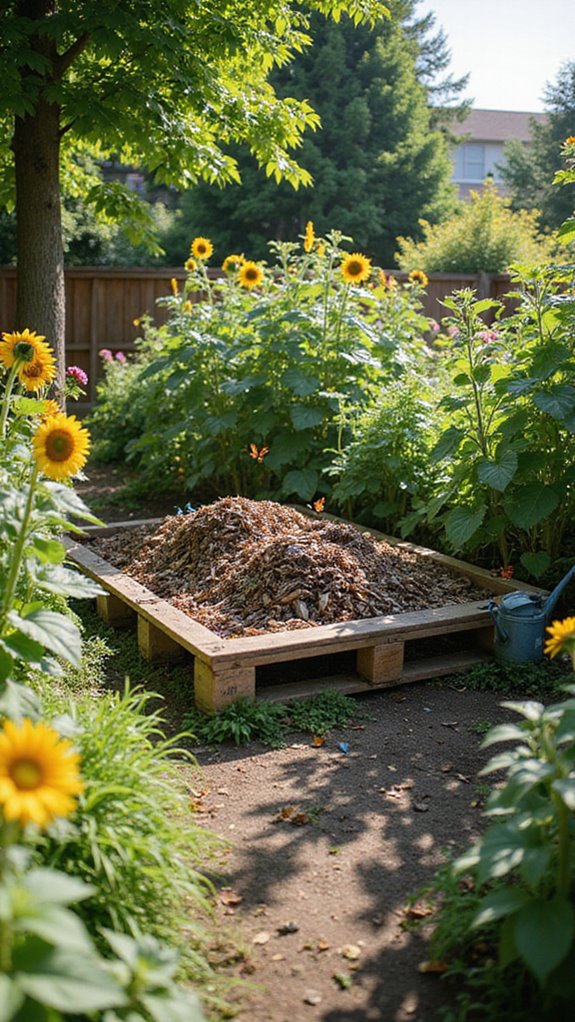
Establishing a compost area not only promotes sustainability but also enriches your garden’s soil, creating a healthier environment for your plants.
Begin by choosing a location that’s convenient yet discrete, ensuring good drainage and access. You’ll find various compost bin types, like tumblers for quick results or traditional bins for a more hands-on approach. Each method has its unique composting benefits, such as reducing kitchen waste and improving soil structure.
Layer green materials, like veggie scraps, with brown ones, such as dried leaves, to maintain a balanced carbon-to-nitrogen ratio. Regular turning helps speed up decomposition.
With time and attention, your compost pile will break down, transforming into rich, dark compost that nurtures your garden while reducing your environmental footprint.
Incorporate Garden Art

A well-tended compost area not only benefits your garden’s soil but also sets the stage for adding artistic flair. You can enhance your space by incorporating garden sculptures that reflect your personality or theme.
Select pieces made from durable materials, like metal or stone, ensuring they withstand the elements. Try placing a whimsical sculpture near your compost to create a focal point, drawing visitors’ eyes.
Additionally, consider using decorative mosaics to add vibrant color. These beautiful art pieces can serve as pathways or simply accentuate existing features.
Mix and match shapes and colors to cultivate an inviting atmosphere. Both sculptures and mosaics invite a sense of intimacy, making your garden a unique retreat where nature and art coexist beautifully.
Use Aromatic Plants for Fragrance

Enhancing your garden with aromatic plants not only pleases the senses but also creates a serene atmosphere that draws you in.
Consider incorporating scented herbs like lavender and basil, which release calming aromas that can soothe your mind. Mix these with aromatic shrubs, such as rosemary or sage, to provide enduring fragrance throughout the seasons.
Create fragrant pathways by planting these herbs along garden borders or in raised beds, inviting you to engage with your space. The delightful scents wafting through your garden won’t only invigorate you but also attract pollinators, enriching your ecosystem.
Design a Meditation or Zen Space

Adding aromatic plants can help set the mood, paving the way for creating a meditation or Zen space in your backyard.
Start by selecting tranquil plants like lavender or jasmine, as their soothing scents enhance relaxation. Incorporate meditative stones such as smooth river rocks or granite pebbles; arrange them in a circular pattern to create a sense of enclosure. This signifies a sacred space, inviting mindfulness.
Use natural materials for seating, like a wooden bench or a stone slab, ensuring comfort for your practice. Add soft cushions for an inviting touch, and consider a small water feature for calming sounds.
Finally, arrange your plants and stones to create balanced symmetry, fostering tranquility and connection to nature during your meditation sessions.